miércoles, 11 de abril de 2018

Vocabulary Parts of the Body


PARTS OF THE BODY


Parts of the Body Male


Man Posterior View


Parts of the Blody Girl


   Woman Posterior View


LEG - PIERNA
ankle - tobillo
buttock - nalga
calf - pantorrilla
femur - fémur
foot, feet -  pie, pies
heel -talón
heelbone - calcáneo
instep - empeine
knee - rodilla
kneecap - rótula
metatarsus -  metatarso
patella - rótula
phalanges - falanges
shin - canilla
shinbone - tibia
splint bone - peroné
tarsus - tarso
thigh - muslo
thighbone - fémur
toe - dedo del pie


ARM - BRAZO
elbow - codo
finger - dedo
fingertip - yema del dedo
fist - puño
forearm - antebrazo
hand - mano
humerus - húmero
index finger - índice
knuckle - nudillo
little finger - meñique
middle finger - dedo medio
nail - uña
palm - palma de la mano
phalanx - falange
ring finger - anular
radius - radio
second phalanx - falangina
shoulder - hombro
third phalanx - falangeta
thumb - pulgar
ulna - cúbito
upper arm - brazo
wrist - muñeca


HEAD - CABEZA
bags under the eyes - ojeras
beard - barba
brain - cerebro
canine tooth -colmillo
cheek - mejilla
chin - mentón
crinkles - pequeñas arrugas
crow's feet - patas de gallo
dimple - hoyuelo
ear - oreja
eye - ojo
eyebrow - ceja
eyelash - pestaña
eyelid - párpado
forehead - frente
freckle - peca
gum - encía
hair - cabello
hard palate - paladar duro
incisors - incisivos
lips - labios
lower jaw - mandíbula inferior
lower lip - labio inferior
molars - molares
moustache - bigote
mouth - boca
neck  - cuello
nose - nariz
nostrils - agujeros de la nariz
palate - paladar
premolars - premolares
pupil  - pupila
sideboards (GB) - patillas
sideburns (US)  - patillas
tongue - lengua
tonsil  -amígdala
tooth, teeth - diente, dientes
throat - garganta
upper jaw - mandíbula superior
upper lip - labio superior
uvula - campanilla
wisdom tooth - muela de juicio
wrinkles - arrugas


TRUNK - TRONCO
abdomen - abdomen
armpit - axila
back - espalda
belly - vientre
bladder - vejiga
breasts - pechos
chest - pecho
groin - ingle
heart - corazón
hip - cadera
kidney  - riñón
liver - hígado
lung - pulmón
loins - zona lumbar
navel - ombligo
nipple -  pezón
spleen - bazo
stomach - estómago
thorax - tórax
waist - cintura


SKELETON - ESQUELETO
backbone - columna vertebral
breast bone - esternón
carpal - carpo
clavicle - collarbone clavícula
eye socket - cuenca del ojo
femur - fémur
hipbone - ilion
humerus - húmero
kneecap - rótula
mandible - mandíbula
pelvis - pelvis
phalanx - falange
radius - radio
rib - costilla
scapula - omóplato
shinbone - tibia
shoulder blade - omóplato
skull - cráneo
spine - columna vertebral
sternum - esternón

martes, 10 de abril de 2018

English Vocabulary

Numbers in English


There are two main types of numbers:

Cardinal Numbers - 1 (one), 2 (two) etc. (Used mainly for counting)

Ordinal Numbers - 1st (first), 2nd (second) etc. (Used mainly for putting things in a sequence)


Cardinal Numbers

Cardinal numbers are normally used when you:
count things: I have two brothers. There are thirty-one days in January.
give your age: I am thirty-three years old. My sister is twenty-seven years old.
give your telephone number: Our phone number is two-six-three, three-eight-four-seven. (481-2240)
give years: She was born in nineteen seventy-five (1975). America was discovered in fourteen ninety-two

Notice how we divide the year into two parts. This is the form for year up to 1999. For the year 2000 and on, we say two thousand (2000), two thousand and one (2001), two thousand and two (2002) etc.


Ordinal Numbers

You can normally create Ordinal numbers by adding -TH to the end of a Cardinal Number.

Ordinal numbers are normally used when you:
give a date: My birthday is on the 27th of January. (Twenty-seventh of January)
put things in a sequence or order: Liverpool came second in the football league last year.
give the floor of a building: His office is on thetenth floor.
have birthdays: He had a huge party for histwenty-first birthday.
refer to centuries: Shakespeare was born in the16th century.

For the name of a king or queen in written English, Roman numerals are used = Henry VIII

but in Spoken English you would say Henry the Eighth.


Cardinal Numbers

List of all numbers from 1 to 100


* Instead of saying One Hundred, you can say A hundred.
e.g. (127) one hundred and twenty-seven OR (127) a hundred and twenty-seven.
The same rule applies for one thousand (a thousand) and one million (a million)
Notice that you need to use a hyphen (-) when you write the numbers between 21 and 99.
With long numbers, we usually divide them into groups of three which are divided by a comma. e.g. 5000000 (5 million) is normally written as 5,000,000


Ordinal Numbers
Ordinal numbers in English and their uses.

lunes, 9 de abril de 2018

Days, Months ...

Resultado de imagen para Days, Months ...

The days of the week

Monday= lunes
Tuesday= martes
Wednesday= miércoles
Thursday= jueves
Friday= viernes
Saturday= sábado
Sunday= domingo


The 12 Months

The calendar consists of the following 12 months:
January - 31 days
February - 28 days in a common year and 29 days in leap years
March - 31 days
April - 30 days
May - 31 days
June - 30 days
July - 31 days
August - 31 days
September - 30 days
October - 31 days
November - 30 days
December - 31 days


Note that the months and days of the week are always capitalised. If you don't want to write the whole words, you can use the abbreviations. In British English, abbreviations are usually written without full stops (Apr), full stops are normal, however, in American English (Apr.).


Months are abbreviated as follows:
MonthAbbreviationMonthAbbreviation
JanuaryJanJuly-
FebruaryFebAugustAug
MarchMarSeptemberSept
AprilAprOctoberOct
May-NovemberNov
June-DecemberDec
Days of the week are abbreviated as follows:
DayAbbreviation
MondayMon
TuesdayTue
WednesdayWed
ThursdayThu
FridayFri
SaturdaySat
SundaySun
Exercises


domingo, 8 de abril de 2018


PROFESSIONS AND OCCUPATIONS


accountantcontador
actoractor
actressactriz
air hostessazafata
architectarquitecto
astronautastronauta
au-pair, babysitterniñera
bakerpanadero
bank clerkempleado bancario
beekeeperapicultor
barberbarbero, peluquero (de hombre)
booksellerlibrero
bricklayeralbañil
bus driverconductor de autobús
butchercarnicero
chemistfarmacéutico
chimney-sweeperdeshollinador
consultantasesor
cookcocinero
customs officeroficial de aduanas
dentistdentista
disc jockey, DJdisc jockey, DJ
doctormédico
driverconductor
driving instructorinstructor de manejo
dustmanbasurero
electricianelectricista
employeeempleado
engineeringeniero
factory workerobrero
farmeragricultor
fashion designerdiseñador de moda
firefighter, firemanbombero
fishermanpescador
gardenerjardinero
graphic designerdiseñador gráfico
hairdresserpeluquero (de mujer)
inspectorinspector
interior designerdiseñador de interiores
jewellerjoyero
journalistperiodista
judgejuez
lawyerabogado
librarianbibliotecario
lifeguardsalvavidas, socorrista
lorry drivercamionero
mechanicmecánico
modelmodelo
mailman (US)cartero
nannyniñera
nurseenfermera
office workeroficinista
painterpintor
photographerfotógrafo
pilotpiloto
plumberfontanero, plomero
policemanpolicía
policewomanmujer policía
politicianpolítico
postman (GB)cartero
psychiatristpsiquiatra
psychologistpsicólogo
receptionistrecepcionista
reporterreportero
sailormarinero
salesmanvendedor
scientistcientífico
secretarysecretario
security guardguardia de seguridad
shepherdpastor
shoemakerzapatero
singercantante
soldiersoldado
sports instructorinstructor de deportes
stockbrokeragente de bolsa
studentestudiante
surgeoncirujano
tailorsastre
taxi drivertaxista
teacherprofesor, maestro
techniciantécnico
telemarketer, telesales personpersona que vende por teléfono
tourist guideguía turística
translatortraductor
university lecturerprofesor universitario
vet (GB), veterinarian (US)veterinario
waitercamarero
waitresscamarera
watchmakerrelojero
writerescritor

Exercises


sábado, 7 de abril de 2018

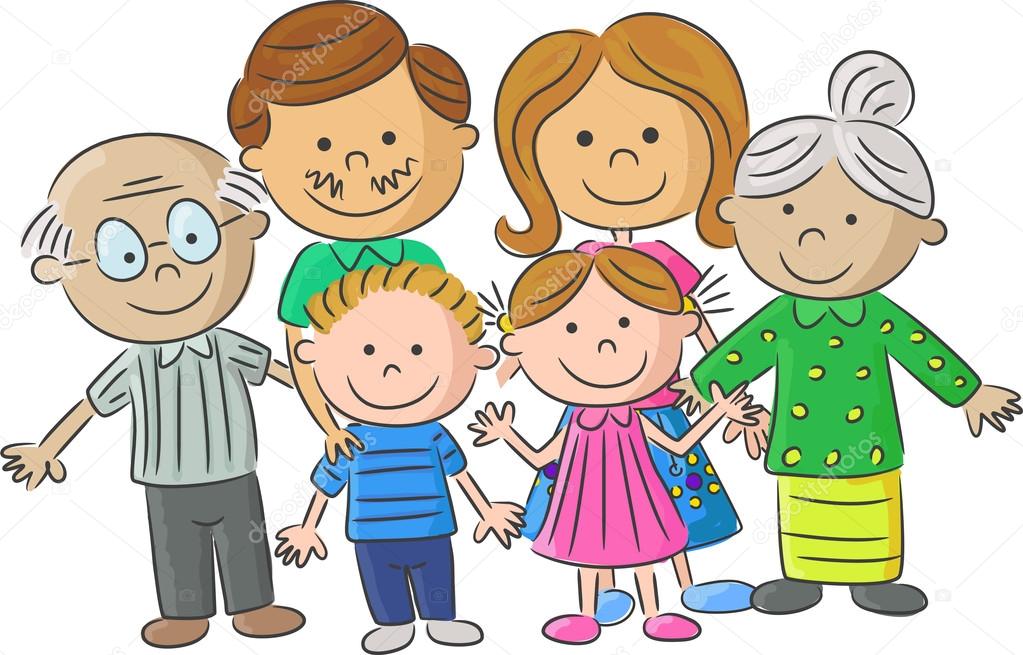
People and family vocabulary

People and family vocabulary


Resultado de imagen para family animado

aunttía
boyfriendnovio
brotherhermano
brother-in-lawcuñado
cousinprimo/a
dad
daddypapi
daughterhija
daughter-in-lawnuera
fatherpadre
father-in-lawsuegro
girlfriendnovia
godfatherpadrino
godmothermadrina
grandadabuelito, "abue"
grandchildrennietos
granddaughternieta
grandfatherabuelo
grandmaabuelita, "abue"
grandmotherabuela
grandpaabuelito, "abue"
grandparentsabuelos
grandsonnieto
great-grandfatherbisabuelo
great-grandmotherbisabuela
husbandesposo, marido
mothermadre
mother-in-lawsuegra
mom (US)
mommy (US)mami
mum (GB)
mummy (GB)mami
nephewsobrino
niecesobrina
parentspadres
siblinghermano/a
sisterhermana
sister-in-lawcuñada
sonhijo
son-in-lawyerno
stepdaughterhijastra
stepmothermadrastra
stepfatherpadrastro
stepsonhijastro
uncletío
wifeesposa, mujer
firstbornprimogénito
the eldestel/la mayor
the youngestel/la menor
the baby of the familyel benjamín de la familia
twinsgemelos
adoptedadoptado
orphanhuérfano/a
relativepariente
acquaintanceconocido
generationgeneración
ancestorsantepasados
descendantsdescendientes

Exercises:http://www.myenglishpages.com/site_php_files/vocabulary-exercise-people-family.php

Family members

family treeNancy is Mr Lynch's daughter.
Bill is Mr Lynch's son.
Mr Lynch is Nancy's and Bill's father.
Mrs Lynch is Nancy's and Bill's mother.
Nancy and Bill are Mr Lynch's children.
Mr and Mrs Lynch are Nancy's parents.
Nancy is Steve's wife.
Steve is Nancy's husband.
Nancy is Bill's sister.
Bill is Nancy's brother.
Laura is Bill's and Barbara's daughter.
John is Laura's brother.
John is Alan's cousin.
Alan is Bill's nephew.
Lisa is Bill's niece.
Lisa is Mr Lynch's granddaughter.
Alan is Mr Lynch's grandson.
Mr Lynch is Alan's grandfather.
Mr and Mrs Lynch are Alan's grandparents.
Alan, Lisa, Laura and John are Mr Lynch's grandchildren.
Mrs Lynch is Alan's grandmother.
Barbara is Nancy's sister-in-law.
Steve is Bob's brother-in-law.
Mr Lynch is is Steve's father-in-law.
Mrs Lynch is Steve's mother in law.
Barbara is Mr Lynch's daughter-in-law.
Steve is Mr Lynch's son-in-law.

PRESENT SIMPLE: VERB TO BE


Resultado de imagen para present simple tobe


The verb to be is the most important verb in the English language. It is difficult to use because it is an irregular verb in almost all of its forms. In the simple present tense, to be is conjugated as follows:

Resultado de imagen para present simple tobe


I present the website where you find exercises on the present simple and you can put into practice the information.


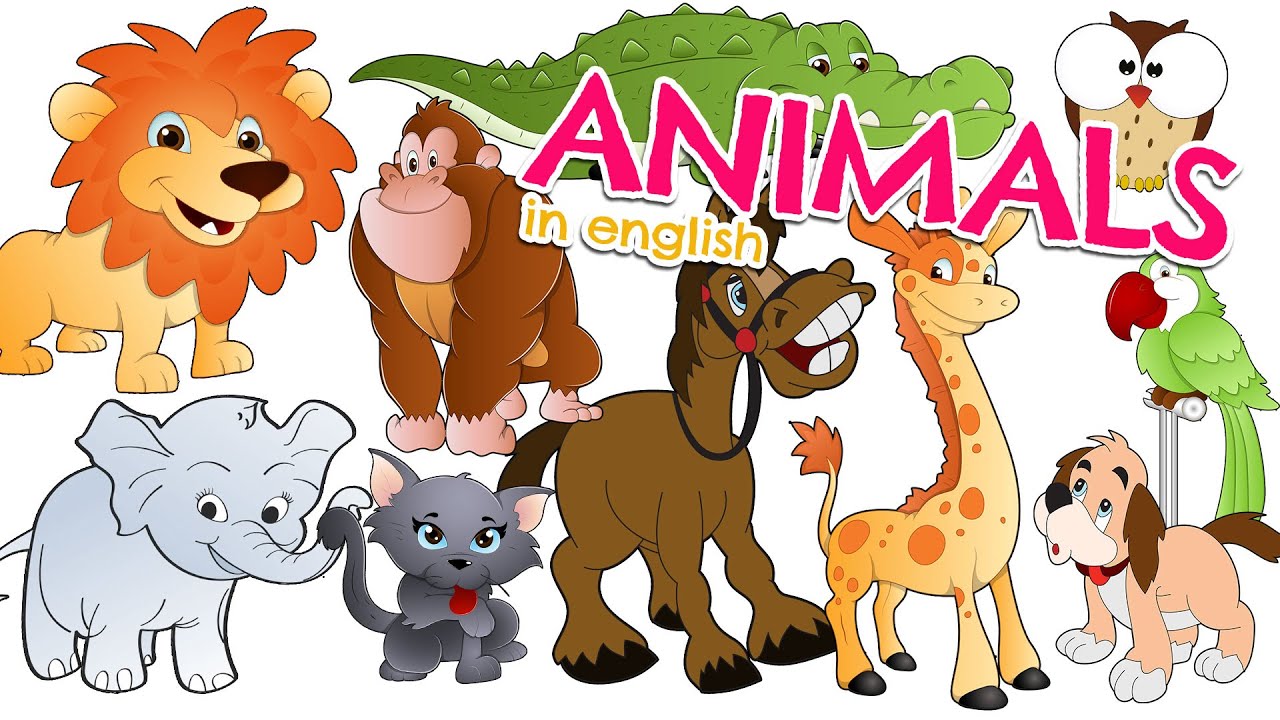
THE ANIMALS  Lo muy básico sobre los animales en inglés Unas categorías básicas antes de empezar con animales más específicos. mamm...